How the $2,000 Payment Program Works
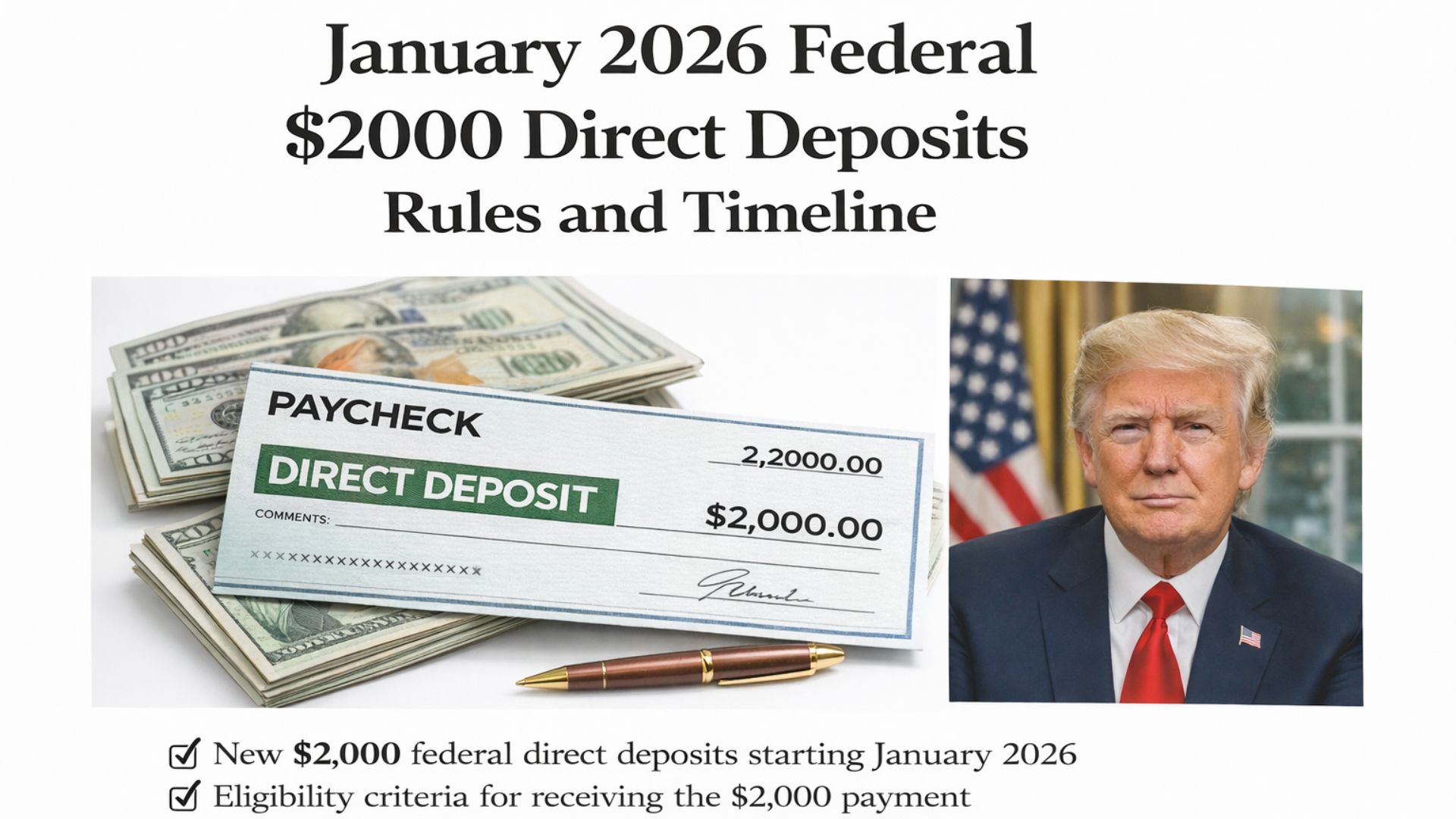
The $2,000 direct deposit is issued as a one-time payment and is managed by federal agencies that already handle benefit payments and tax-related refunds. Most eligible individuals do not need to submit a separate application. Instead, the government relies on existing records, such as recent tax returns or benefit accounts, to determine who qualifies. This approach helps speed up payments and ensures funds reach recipients efficiently.
Eligibility Requirements for January 2026
Eligibility for the January 2026 payment is primarily based on recent tax filings and federal benefit records. Individuals who have previously received government payments through direct deposit are more likely to receive this payment automatically. The most recent tax return on file is generally used, meaning changes in income, filing status, or dependents on a 2025 return could influence eligibility. Keeping personal and financial information updated is important for accurate processing.
Payment Schedule and Timing Expectations
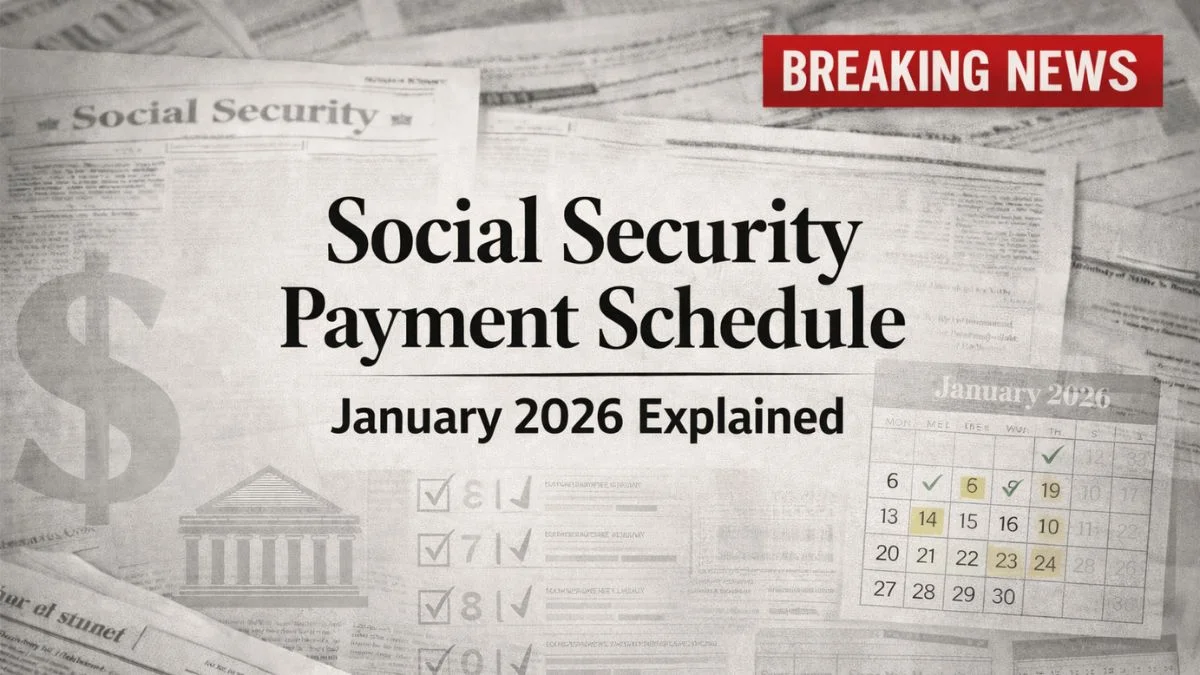
The federal government is using a phased payment schedule to manage the large number of deposits. Most eligible recipients are expected to see the $2,000 deposit arrive between early and mid-January 2026. Exact timing may vary depending on when eligibility is confirmed and when the payment is released. Official payment calendars issued by federal agencies can help recipients track expected deposit windows.
How Banks Process the Direct Deposit
After the payment is sent through the Automated Clearing House system, banks handle the deposit based on their internal procedures. Some banks make funds available on the same day they receive them, while others may take one additional business day. Weekends and federal holidays can also affect when the money appears in an account. These differences are normal and do not usually indicate a problem.
What to Do If Your Payment Is Delayed
If the deposit does not arrive when expected, the first step is to review your eligibility and confirm your bank information. Contacting your bank can help determine whether a deposit is pending. If the bank finds no record of the payment, recipients should then contact the issuing federal agency using official contact channels. Keeping notes of dates and conversations can help resolve issues more quickly.
Final Thoughts
The federal $2,000 direct deposit program for January 2026 is designed to deliver timely financial support using systems already in place. While most payments should arrive without issues, understanding eligibility rules, bank processing, and follow-up steps can help ensure a smoother experience. Staying informed and prepared is the best way to avoid delays and confusion.
Disclaimer
This article is for informational purposes only and does not represent official government guidance. Program rules, eligibility requirements, and payment timelines may change. Readers should always refer to official federal agency announcements and websites for the most accurate and up-to-date information.