
IRS Announces First Day to File 2026 Taxes: For many Americans, the new year truly begins when tax season starts. As 2026 approaches, the IRS has officially confirmed that federal tax filing for the 2025 tax year will open on January 26, 2026. This is the day the IRS will begin accepting and processing electronic tax returns nationwide. With household budgets still under pressure, this date matters more than ever for people waiting on refunds.
The filing start date helps set the pace for the entire tax season. It affects how quickly refunds are issued, how smoothly returns are processed, and how much stress taxpayers experience over the coming months.
Why the IRS Filing Start Date Is Important
The IRS does not choose a filing date randomly. Before late January, the agency spends weeks updating systems, adjusting tax brackets for inflation, and testing software used by tax preparers and online filing platforms. These steps are necessary to avoid errors once millions of returns begin flowing in.

The timing also aligns with employer deadlines. Most W-2 and 1099 forms must be sent to taxpayers by late January. Opening filing on January 26 allows income information to already be in circulation, which helps reduce mismatches and delays during processing.
What January 26, 2026 Means for Taxpayers
Once filing opens on January 26, taxpayers who file electronically can begin having their returns processed immediately. Those who file early and accurately often receive refunds faster, especially when using direct deposit. Early filing also avoids the heavy traffic that builds closer to April.
Another benefit of filing early is security. Submitting a legitimate return early makes it harder for identity thieves to file a fraudulent one. In recent years, tax fraud has increased, and early filing has become an effective way to protect personal information.
Does Filing Early Increase Your Refund?
Filing early does not change the size of your refund. Refund amounts are based on income, tax withholding, and eligibility for credits, not timing. Filing on January 26 or in April results in the same calculation if the information is the same.
What early filing does provide is certainty. Many households rely on refunds for rent, debt payments, or school costs. Getting clarity sooner helps with planning, even if the refund amount itself does not change.
Refund Timing and Tax Credits
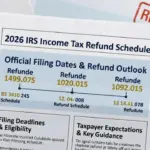
Most taxpayers who e-file and choose direct deposit receive refunds within about 21 days. Early filers may see refunds arrive by mid-February if there are no issues. However, refunds that include the Earned Income Tax Credit or Additional Child Tax Credit are delayed by law until at least mid-February.

This rule is meant to prevent fraud, even though it can be frustrating for families who depend on those funds early in the year.
Preparing Before Filing Opens
The weeks before January 26 are best used for preparation. Taxpayers should gather W-2s, 1099s, and records of deductions and dependents. Checking bank account details carefully is also important, as small errors can delay refunds.
The IRS opening tax filing on January 26, 2026 sets the tone for the entire tax season. Filing early, accurately, and electronically remains the best way to reduce delays and stress. Preparation and timing, not last-minute filing, are the keys to a smoother refund experience.

Disclaimer
This article is for informational purposes only and does not provide tax, financial, or legal advice. IRS rules, filing dates, and refund timelines may change. Readers should consult official IRS resources or a qualified tax professional for guidance specific to their situation.