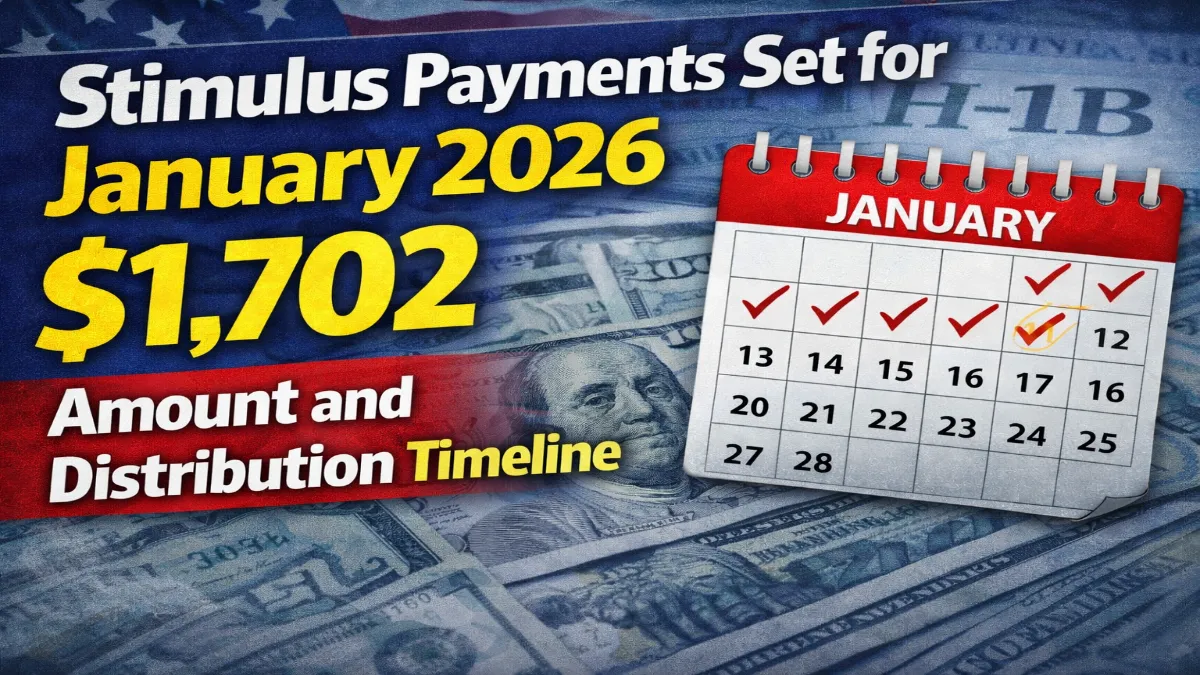
As January 2026 approaches, renewed attention has turned toward a widely discussed payment figure of $1,702. Many Americans, especially retirees and fixed-income households, are trying to understand whether this amount represents a new stimulus check or some other form of federal support. Social media discussions and online headlines have added to the confusion, making it important to clarify what this figure actually refers to. In reality, the $1,702 amount is connected to benefit adjustments rather than a new nationwide stimulus program.
Federal agencies such as the Social Security Administration and the Internal Revenue Service play different roles in distributing payments. Not all January 2026 payments fall under one law or program. Instead, the amount being discussed reflects changes within existing systems that already support millions of Americans.
What the $1,702 Payment Represents
The $1,702 figure is not a flat payment that every American will receive. In most cases, it represents the new average monthly Social Security benefit after the 2026 Cost-of-Living Adjustment is applied. COLA increases are routine yearly adjustments designed to help benefits keep pace with inflation. As prices rise, benefits are adjusted to protect purchasing power rather than to create extra income.

For some individuals, $1,702 may closely match their monthly benefit amount. For others, the number may differ based on earnings history, retirement age, or benefit type. This figure is best understood as an average reference point, not a guaranteed payment for all recipients.
Why This Amount Is Getting So Much Attention
The reason the $1,702 figure has drawn so much attention is because inflation continues to affect everyday expenses. Seniors and retirees often feel the impact of rising costs more strongly, especially when living on fixed incomes. Any increase in monthly benefits can feel significant when budgets are tight. As a result, even routine adjustments can generate widespread discussion.
Another reason is confusion with past stimulus checks. During the pandemic, many Americans received one-time payments that were widely advertised. This history has caused some people to assume that any new number being discussed must be another stimulus, even when it is not.
Who May Receive Higher Payments in January 2026
Eligibility for January 2026 payments depends on the specific benefit program involved. Social Security retirees, SSDI beneficiaries, SSI recipients, and survivors receiving benefits are among the groups most affected by the COLA increase. Veterans and certain low-income households may also receive payments under separate federal programs, though those follow different rules.
For those already enrolled in Social Security or related programs, the increase is automatic. There is no need to apply or submit new paperwork. The Social Security Administration updates benefit amounts internally and issues payments according to existing records.
How the January 2026 Payment Schedule Works
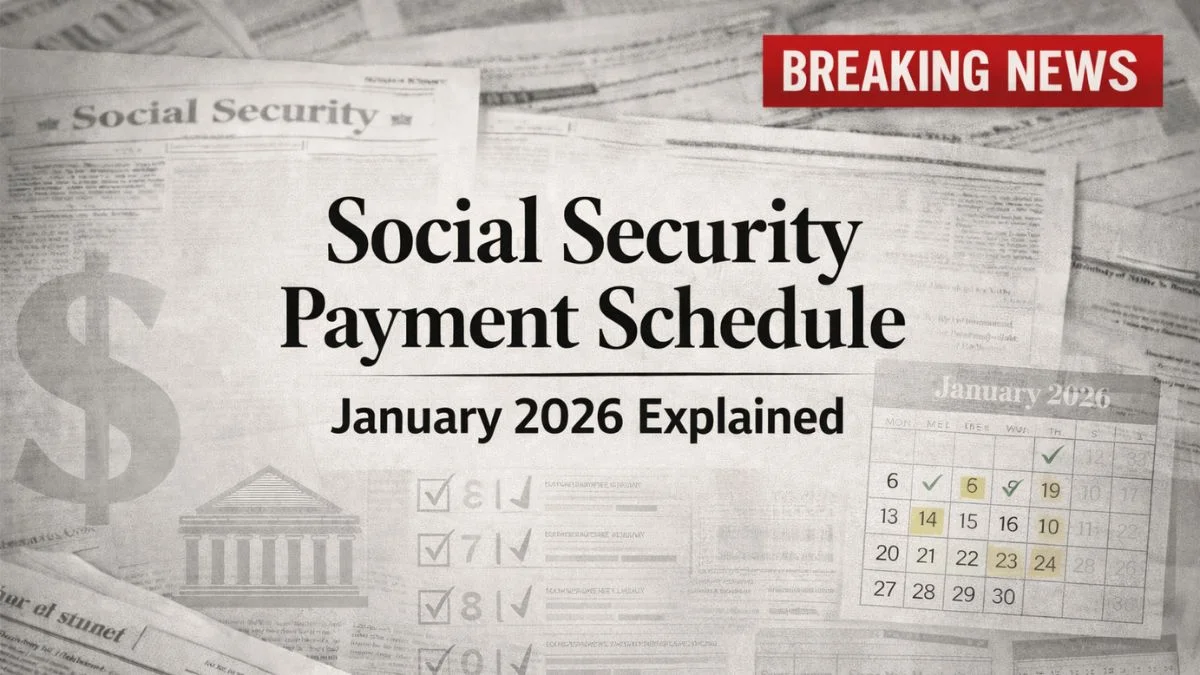
Payments tied to Social Security benefits follow a familiar monthly schedule. The exact date depends on the recipient’s birth date and benefit category. Those born early in the month generally receive payments earlier, while others receive them later in January. SSI payments usually arrive at the beginning of the month, sometimes earlier if the first falls on a weekend or holiday.

This structured schedule helps spread payments across the month and prevents system overload. It also means that not everyone receives their payment on the same day, which can create confusion when people compare dates.
How Payments Will Be Delivered
Most January 2026 payments will be sent through direct deposit to bank accounts already linked to Social Security or federal benefit programs. Direct deposit remains the fastest and most reliable method. Some recipients still receive paper checks or prepaid debit cards, depending on their setup.
Keeping bank details and mailing addresses updated is essential. Outdated information is one of the most common reasons for delayed payments. Beneficiaries can review and update their details through official government portals.

What Recipients Should Do Before January 2026
Recipients are encouraged to review official notices sent by the Social Security Administration toward the end of 2025. These notices typically explain the new benefit amount for the coming year. Logging into a “my Social Security” account provides personalized information well before payments are issued.
There is no need to respond to unsolicited messages or third-party claims about stimulus payments. Federal agencies do not ask for personal information through calls or social media. Staying informed through official channels is the safest approach.
How Much Benefits May Increase
While the average monthly benefit is estimated around $1,702, actual increases vary. Some retirees may see amounts closer to $1,750, while couples receiving combined benefits may see totals above $2,700. The exact increase depends on the current benefit amount before COLA is applied.
यह भी पढ़े:
 Federal $2,000 Deposit Update 2026 Is Shaking Expectations Timeline Changes Explained Clearly
This variation is normal and reflects individual work history and earnings. Comparing payments with others can be misleading, as no two benefit profiles are exactly the same.
Why This Update Matters
For millions of Americans, January 2026 payments can provide meaningful relief during a time when expenses remain high. Even modest increases can help cover essentials like groceries, utilities, and medical costs. Understanding what the $1,702 figure represents allows recipients to plan their budgets more confidently.
Clear information also helps reduce anxiety caused by misinformation. Knowing that this is a routine adjustment rather than a new stimulus prevents unrealistic expectations and unnecessary worry.

The $1,702 payment figure linked to January 2026 reflects continuity within existing federal benefit systems. It is not a new stimulus check, but rather the result of annual adjustments designed to protect purchasing power. For those already receiving Social Security or related benefits, the increase is automatic and requires no action.
Staying informed, reviewing official notices, and keeping records updated are the best ways to ensure payments arrive smoothly. Understanding the facts makes navigating the new year far less stressful.
Disclaimer
This article is for informational purposes only and does not provide financial, tax, or legal advice. Benefit amounts, COLA adjustments, and payment schedules are subject to change based on official government decisions. Individual circumstances vary, and readers should consult the Social Security Administration, IRS, or a qualified professional for personalized and up-to-date guidance.